Table of Contents
Looking Up for the Mountains, Looking Down for Inspiration
From Field Note to Finished Story: 7 Steps
Framing ARctic Folklore
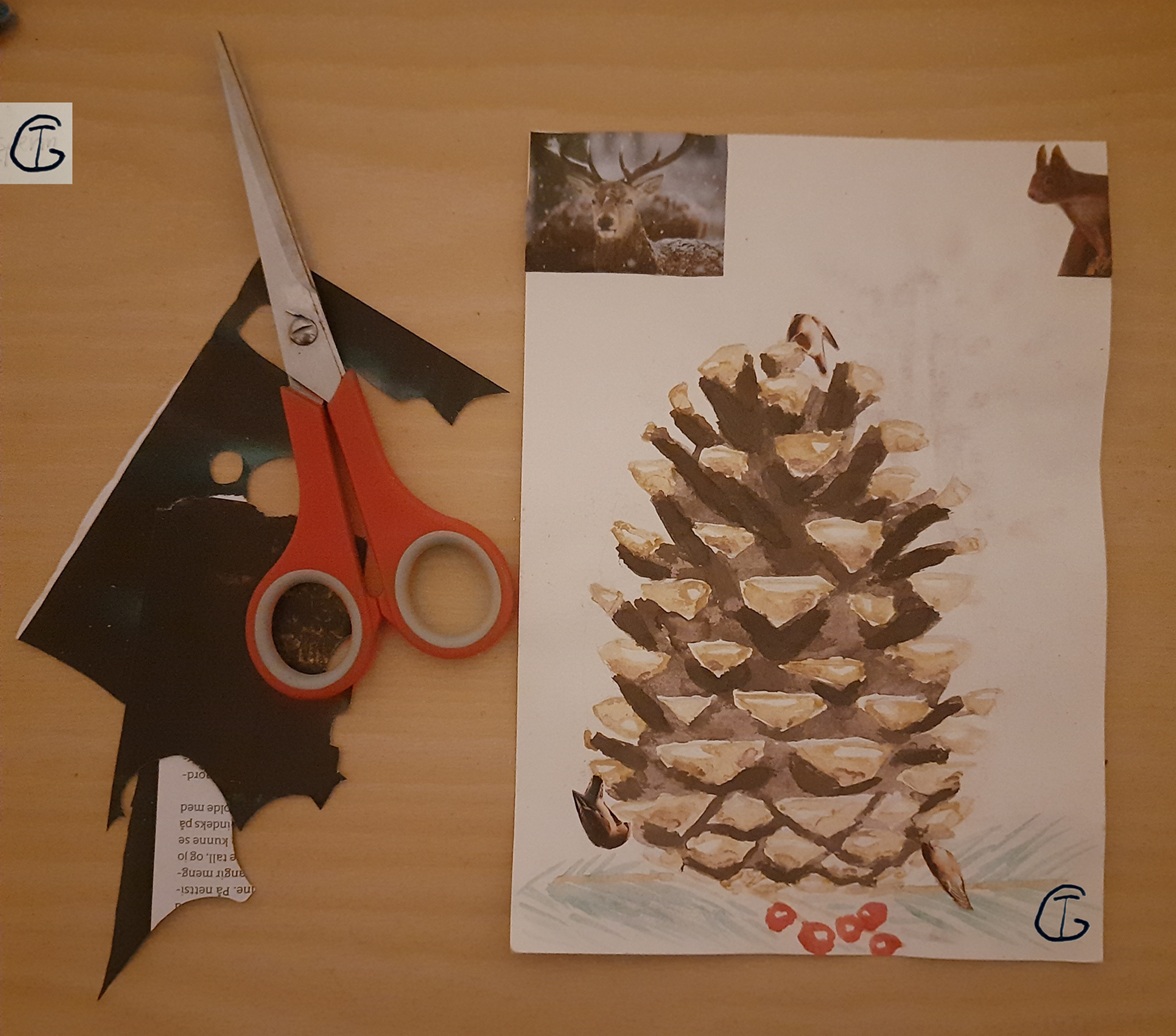
This article is part of my Culture Moves Europe creative residency in Tromsø, by the EU programme Culture Moves Europe, and my project ARctic Folklore: Multilingual Mythologies and Digital Storytelling.
From my previous blog posts, you can learn more about Norwegian Trolls and Mythological Birds.
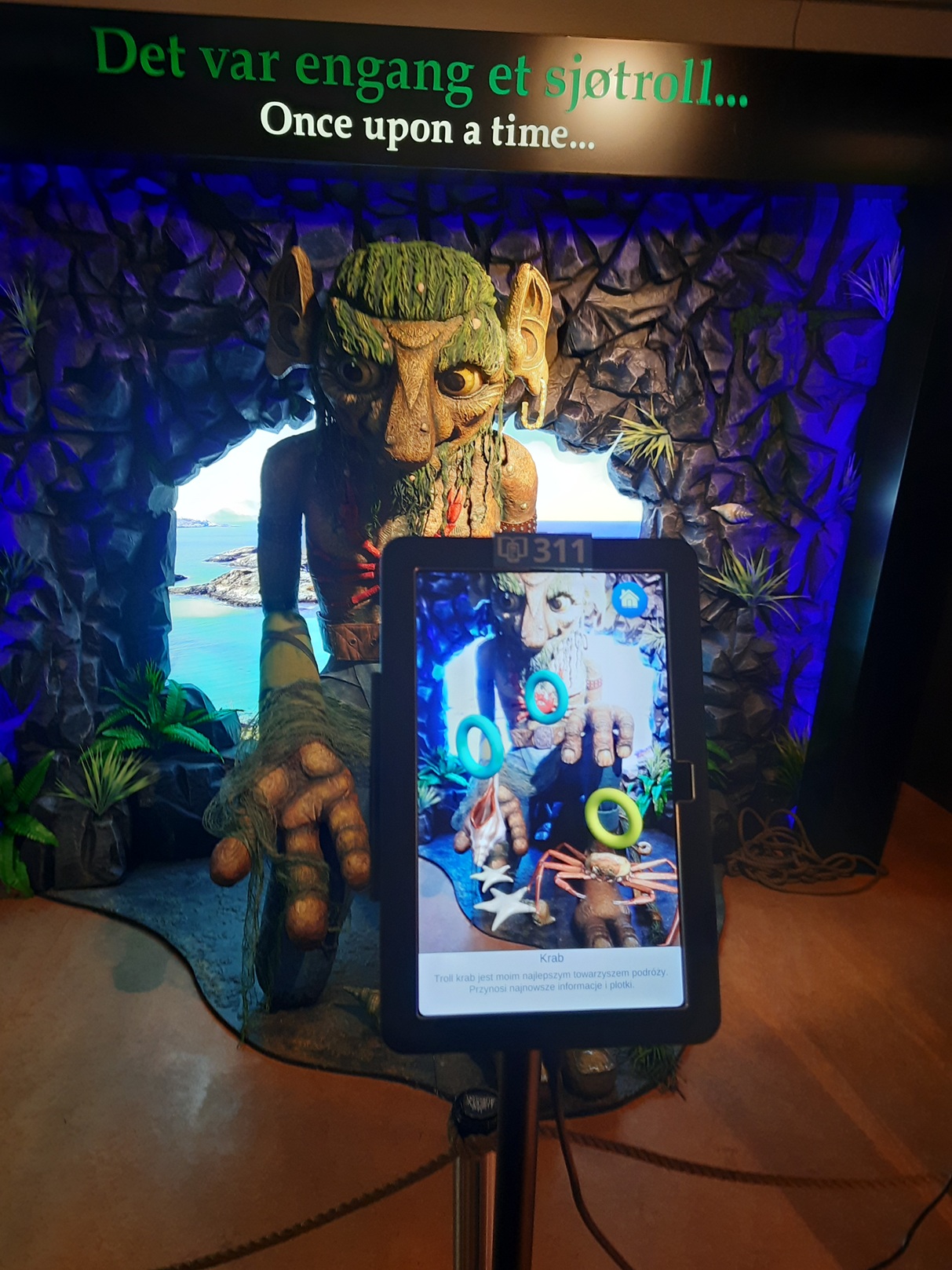
Through collaboration with the Troll Museum, I am exploring how Norwegian troll legends and their connections with local landscapes can be reimagined through digital storytelling, augmented reality, multilingual workshops and creative nature observation.
By bringing together cultural heritage, folklore, sustainable travel, birding, art and storytelling, the project asks how mythology can contribute to cultural understanding and ecological awareness.
During my creative residency in Tromsø funded by the Culture Moves Europe Programme, I have been discovering that one of the most powerful tools for connecting people with nature is also one of the simplest: a journal.
And stop-motion animation and citizen science are additional magical tools that breathe life into a collection of botanical bits.
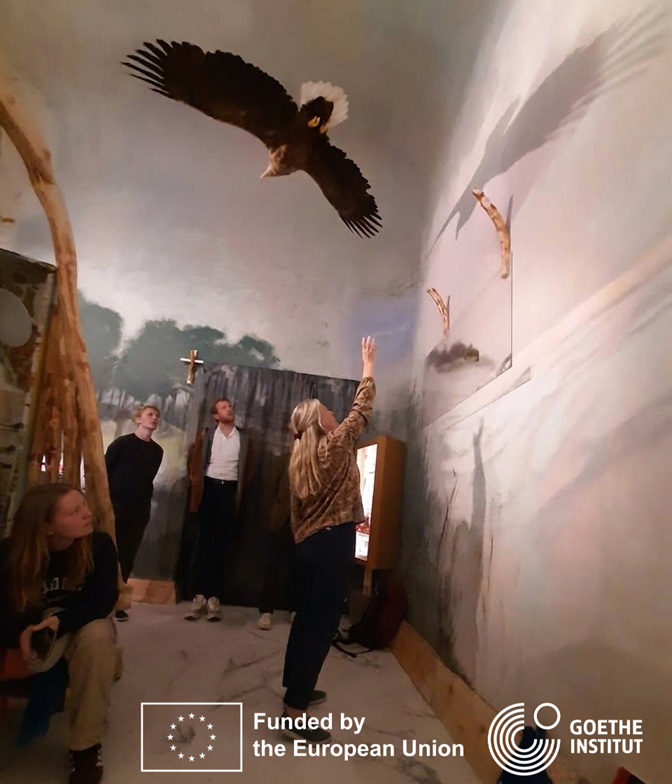
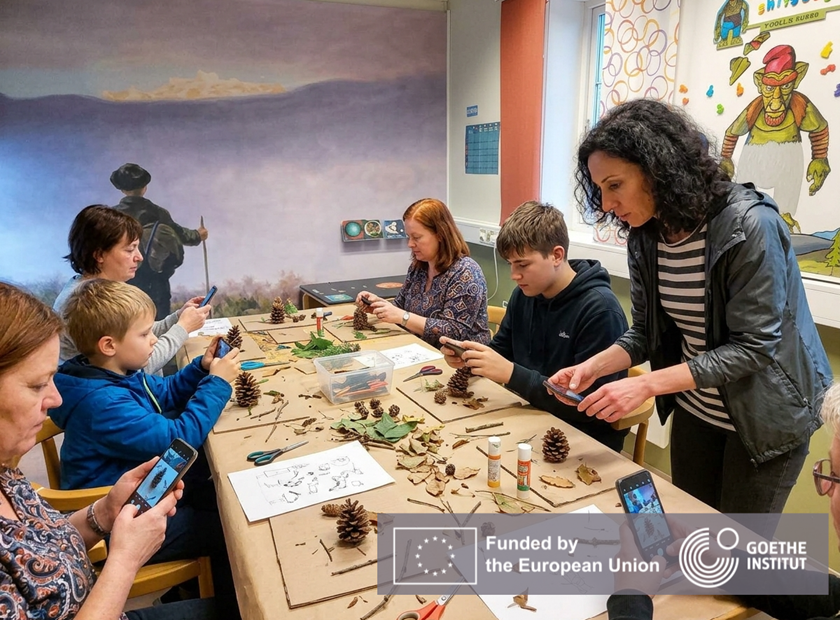
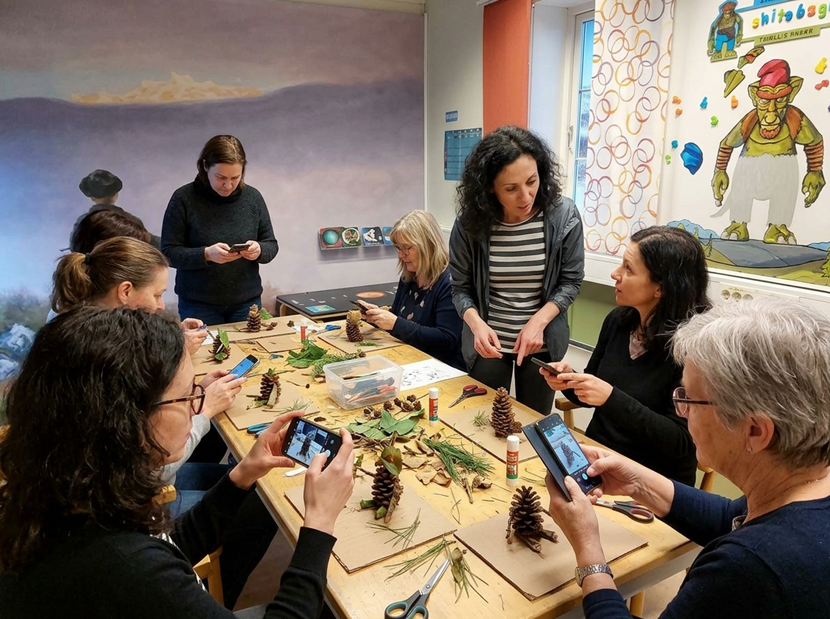
With more than 50 participant of my workshops at Tromsø Troll Museum, we have created new mythological characters. Pine cones, stones, twigs, paintings were our main materials.
The exciting game with those forest treasures allowed some people create new stories of different formats: animated short stories, journals or greeting cards.
At the basis of my workshops was the practice of journaling. Try the tips below we have developed in Tromsø with nature enthusiasts and create your own nature-inspired story!
Why Nature Journaling Still Matters
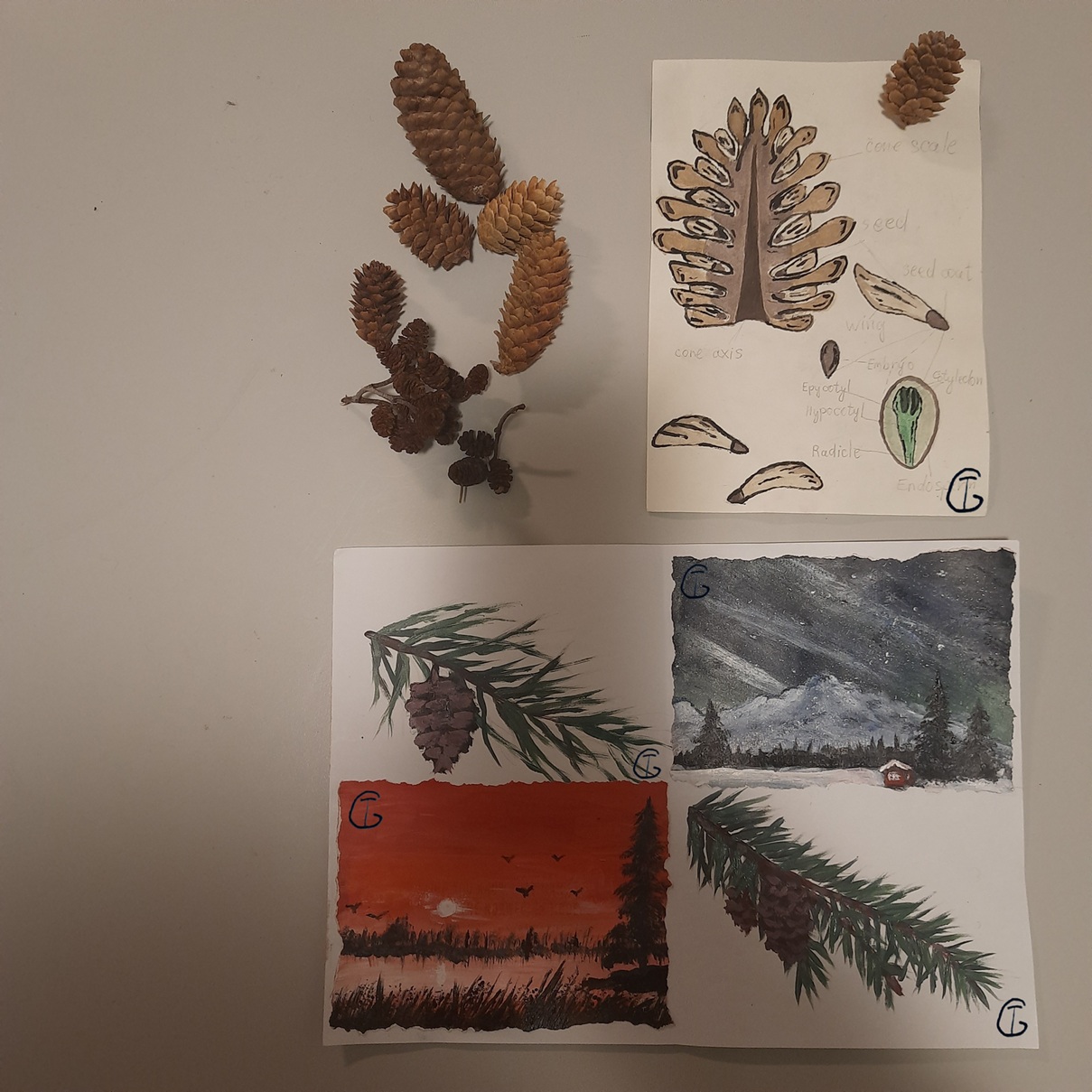
Nature journaling may sound like an old-fashioned practice, but it fits remarkably well with some of today's most important cultural and communication trends: slow looking, mindful observation, citizen science, visual storytelling, wellbeing, sustainability and authentic place-based experiences.
We live in a world of rapidly produced images and constantly changing digital content.
Nature journaling asks us to do the opposite: to stop.
Look. Notice. Question. And remember.
That makes it particularly relevant to how we communicate about destinations and cultural heritage today.
For me, with a background in journalism, PR, content marketing and cultural heritage, this is especially interesting. A journal is not simply a record of what I have seen. It is a form of editorial thinking everyone can try in everyday life for observing nature or interacting with others.
It helps me decide:
- What is worth noticing?
- What is worth investigating?
- What story does it tell?
- And how can I share it responsibly with someone who wasn't there?
That is essentially storytelling—but with the landscape as the source material.
Looking up for the mountains, looking down for inspiration
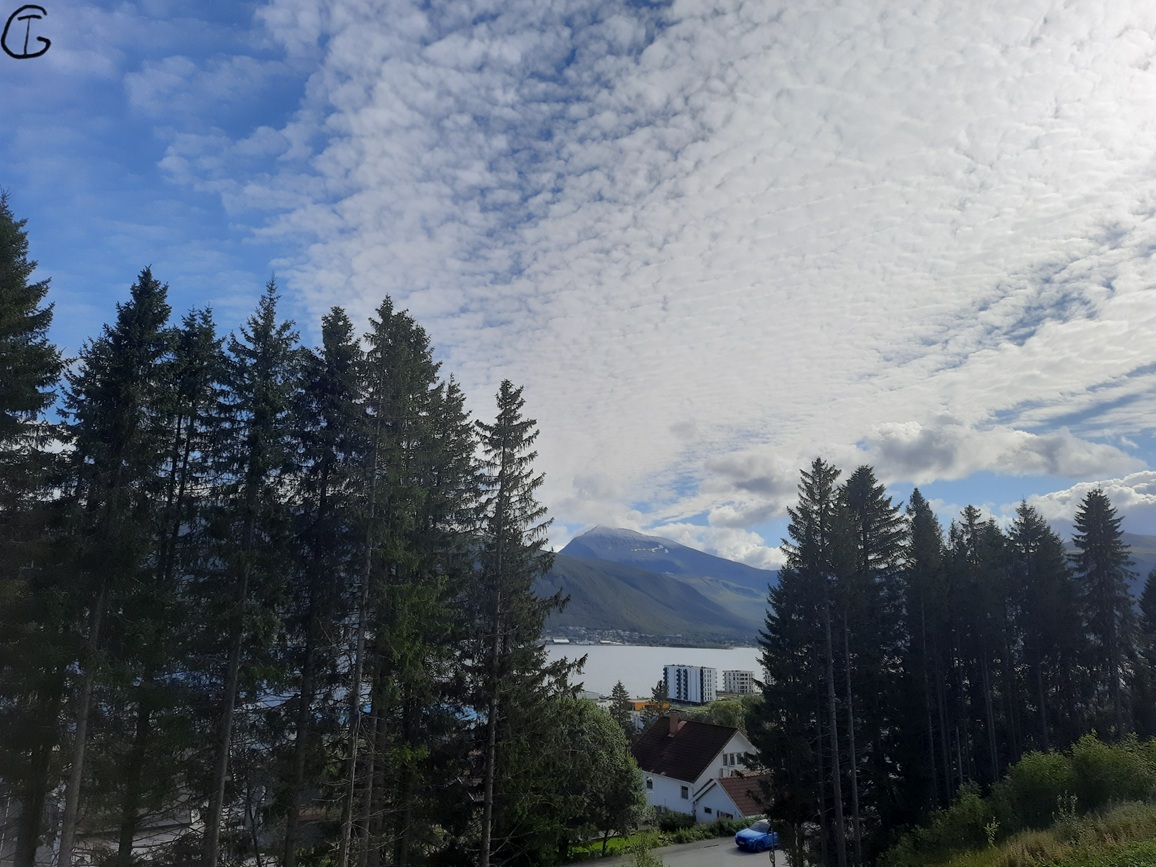
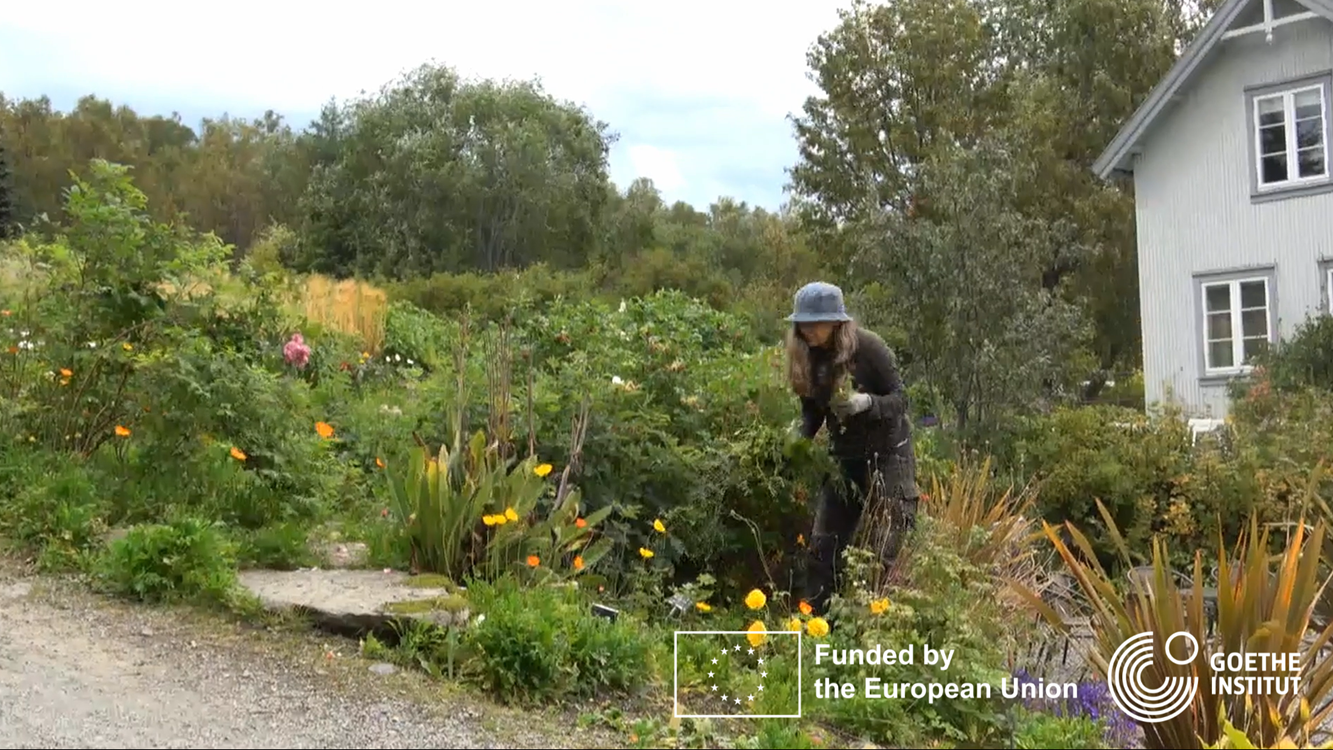
One of my favourite lessons from Tromsø has been that you do not always need to look for the spectacular.
Tromsø makes it easy to look up.
There are mountains, dramatic skies, water, changing weather and Arctic light.
But some of my most useful creative discoveries have happened when I looked down.
A pinecone.
A mushroom.
A plant.
A feather.
Seaweed washed onto the shore.
A bird moving through the trees.
These small observations have become material for drawings, watercolours, photographs and ideas for future workshops.
I recently developed the habit of collecting pine cones during walks around Tromsø. They are easy to overlook, but once I began drawing them, they became surprisingly complex objects.
Their geometry, texture and repeated patterns invite close observation.
And that is the point.
Nature journaling is not about finding something extraordinary. It is about learning to see the ordinary extraordinarily well.
From Field Note to Finished Story: 7 Steps
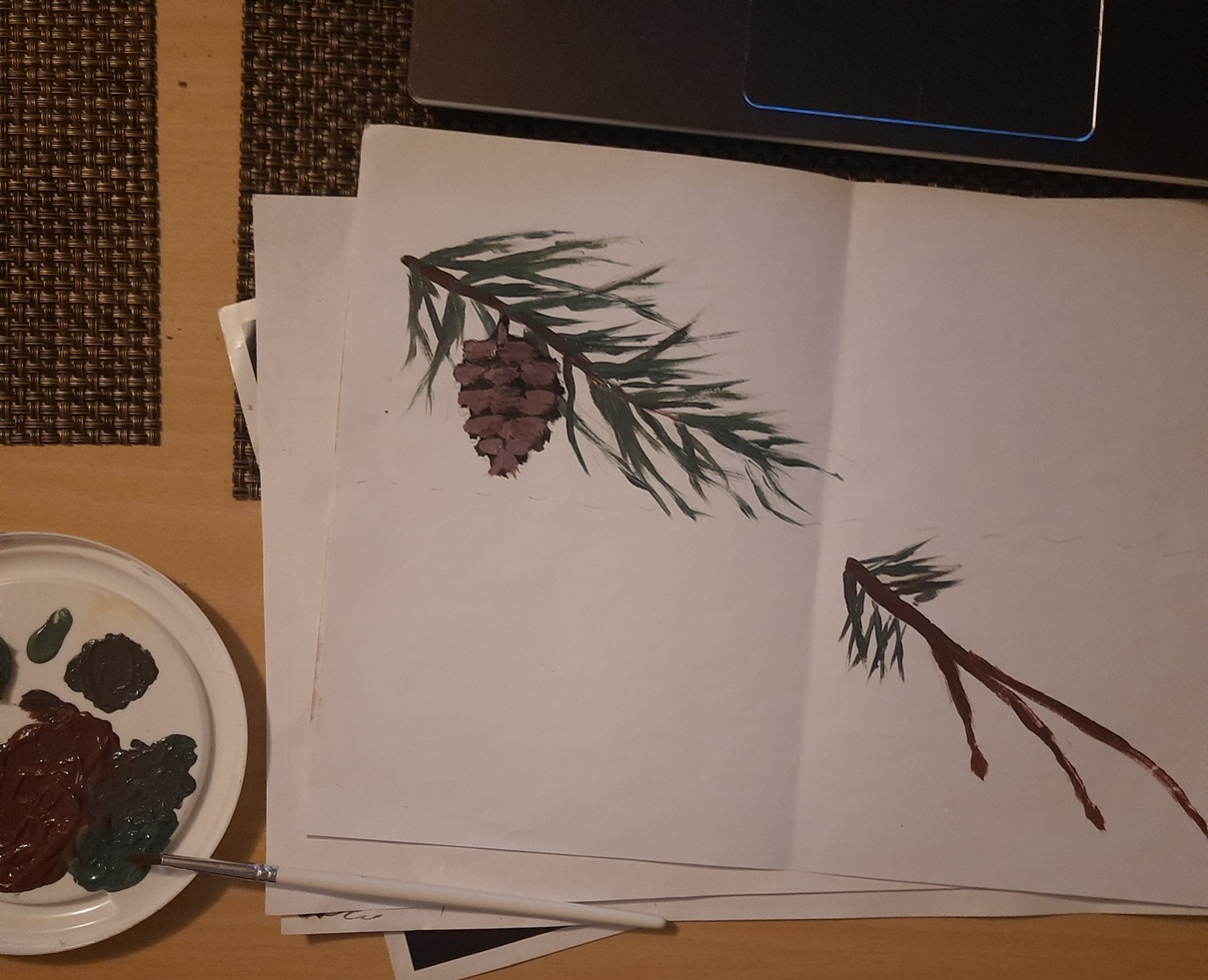
My nature-journaling process during the residency has gradually developed into a simple sequence everyone can try and create something new in their are:
1. Notice.
The first step is deliberately uncomplicated. Stop. What catches your attention?
It might be a bird call, an unusual plant, the shape of a pinecone or the colour of seaweed after the tide. I try not to decide immediately whether something is "important".
Curiosity comes first.
2. Photograph.
Before drawing, I often take photographs. But it is not obligatory. In my case, it is rather a habit - in my previous jobs across different communication roles, taking pictures was a non-written rule.
So, photography gives me a record of the encounter and allows me to revisit details later.
It is particularly useful when working outdoors in changing Arctic conditions, where light, weather and time can transform a landscape very quickly.
3. Identify.
This is where observation becomes investigation.
For plants, birds and fungi, digital tools such as iNaturalist can help generate identification suggestions and connect observations with a wider community of naturalists.
But the important lesson is not simply "use an app". It is about questioning the app:
- What features support the identification?
- What habitat is the organism found in?
- Are there similar species?
- Can another observer confirm it?
Digital tools are most valuable when they make us more curious.
4. Research.
Once I have an identification, I can start asking bigger questions.
- Where does this species live?
- How does it survive in Northern Norway?
- What is its ecological role?
- Have people traditionally used it?
- Does it appear in local stories?
- Does it have a Norwegian name?
- Are there myths associated with it?
This is where natural history begins to overlap with cultural history.
5. Draw or paint.
Drawing changes the experience again.
When I draw a pine cone, for instance, I have to look at it for longer.
When I draw a mushroom, I notice the shape of the cap, the texture of the stem and the environment around it.
When I draw or paint a bird, I begin to pay attention to posture, movement and habitat.
Drawing is therefore not simply the final creative output.
Drawing is a research method: it slows observation down.
6. Tell a story.
Only after observing, identifying and researching do I start thinking about storytelling:
- What does this object tell me about the landscape?
- What does it tell me about people?
- What connections exist between nature and culture?
- Could this become an animation?
- A workshop exercise?
- A blog post?
- A multilingual story?
- A conversation about sustainability?
This is where my residency project comes alive :)
7. Share.
The final stage is public engagement.
A journal entry can become a social-media post.
A drawing can become part of an exhibition or workshop.
A field observation can become an animation.
A question can become a blog article.
A local discovery can become a conversation between people who have never visited Northern Norway.
The journal becomes a bridge between personal experience and collective learning. And this is particularly interesting in the context of my project ARctic Folklore: Multilingual Mythologies and Digital Storytelling. Norwegian folklore is deeply connected with landscape. Trolls are imagined in relation to mountains, forests, rocks, waterfalls and other distinctive natural features.
The landscape is not merely scenery: it creates the conditions in which stories develop.
When we look at a mountain through a geological lens, we see rock formations and geological processes.
When we look at it through folklore, we might see a troll.
Neither perspective necessarily cancels out the other. Instead, they reveal different ways humans make sense of place.
This is one of the central questions behind ARctic Folklore: Multilingual Mythologies and Digital Storytelling: How does myth shape environmental imagination?
And perhaps equally importantly: How can environmental observation reshape the way we understand myth?
Journaling creates a different kind of travel experience. This has also made me reconsider sustainable travel.
We often talk about sustainable tourism in terms of transport, accommodation, consumption and environmental impact. Those things matter. But there is another dimension: attention.
How do we behave when we enter a landscape? Do we simply photograph the viewpoint and move on? Do we know the names of the birds around us? Do we understand why a particular habitat matters? Do we know the stories associated with the place?
To find the answers to these questions, check my Instagram and join discussions on travel experiences.