Table of Contents
Behind the Digital Magic Lies a Library of Folklore
From Cultural Residency to Troll Research
The One Book Every Troll Enthusiast Should Read
Behind the Digital Magic Lies a Library of Folklore
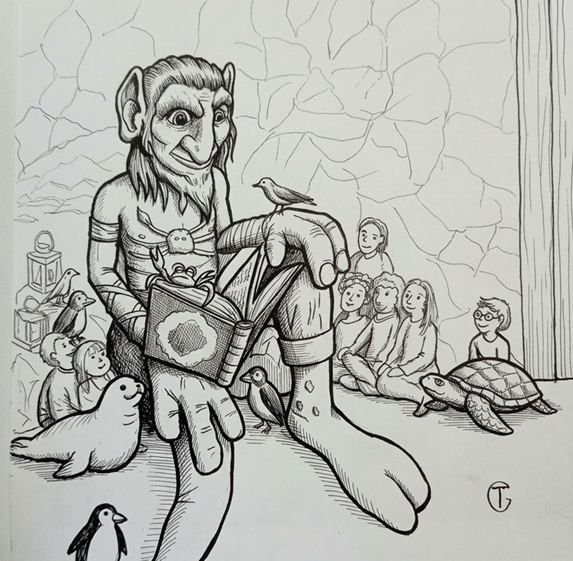
Visitors arrive at the Troll Museum in Tromsø expecting animated trolls, augmented reality, interactive exhibits, and immersive storytelling.
They are not disappointed.
Since opening five years ago, the museum has become an internationally recognised pioneer in bringing Norwegian folklore to life through technology.
Hundreds of reviews on Tripadvisor and Google Reviews praise the AR experiences, with many visitors describing the interactive tablets as the highlight of their visit.
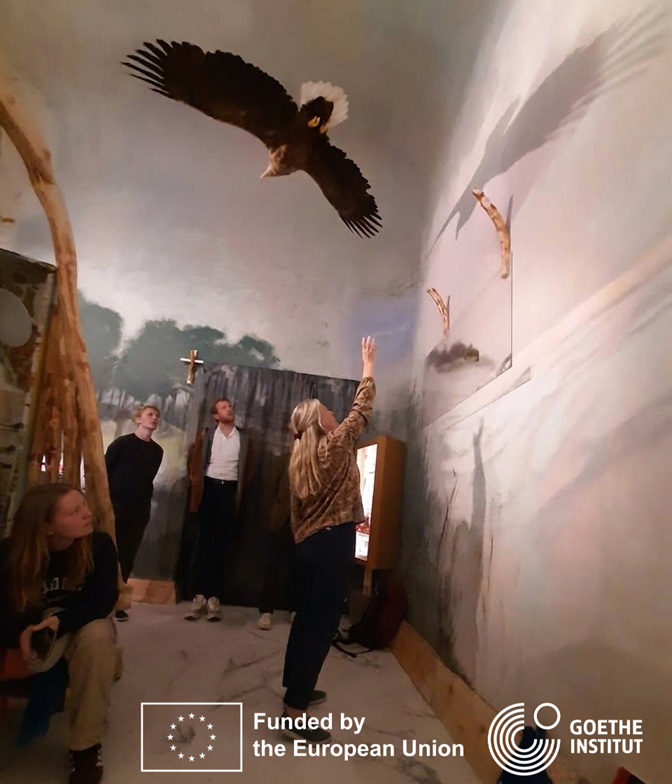
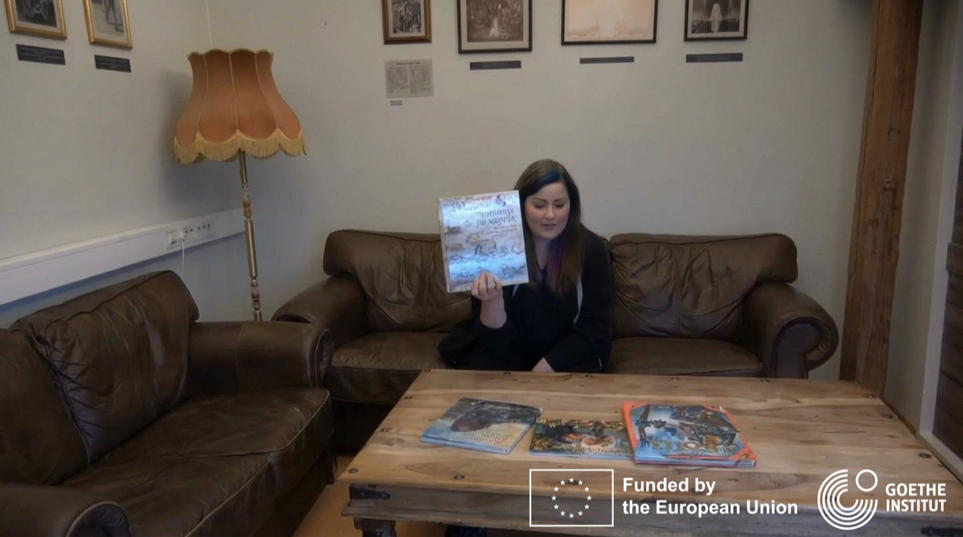
Among the sounds and spectacle of the exhibition, one room offers a different kind of immersion: a library filled with folklore, mythology, fairy tales, and children's books in more than ten languages.
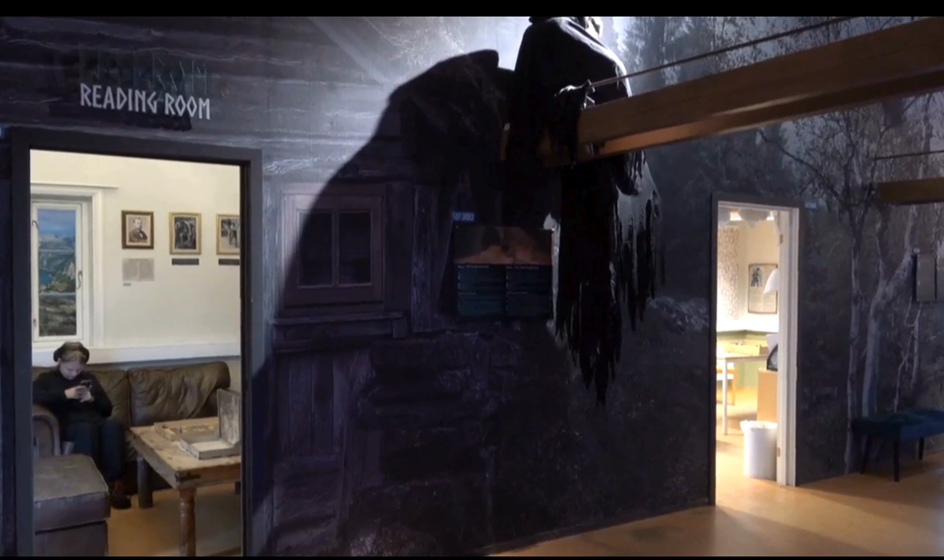
In an age of endless scrolling, the museum makes a remarkably simple suggestion: if you really want to understand trolls, start by reading about them.
From Cultural Residency to Troll Research
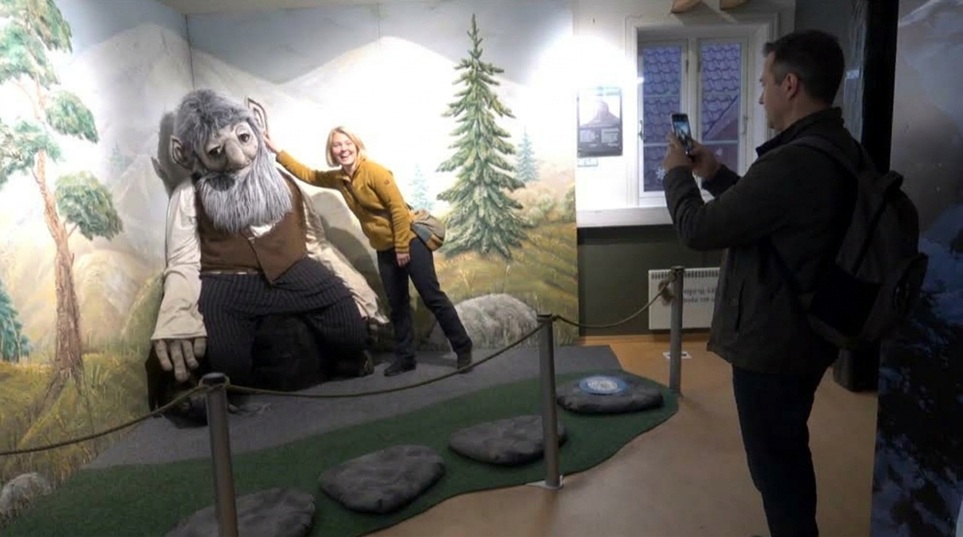
The Troll Museum is the main partner of my creative residency in Tromsø, supported by the Culture Moves Europe programme.
The residency forms part of my project ARctic Folklore: Multilingual Mythologies and Digital Storytelling, which explores how Norwegian mythology can be interpreted through modern technologies while remaining deeply rooted in literature, local landscapes, and oral traditions.
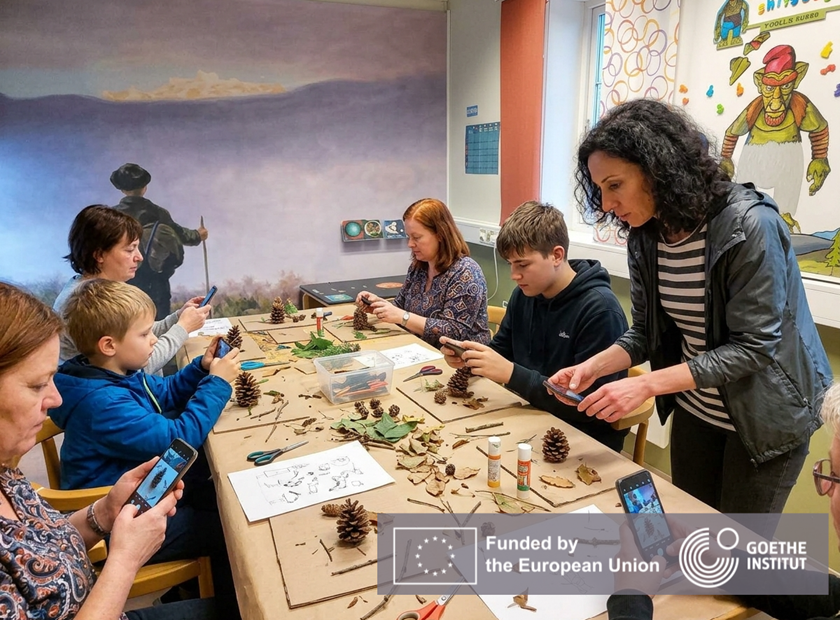
Combining my background in cultural heritage, sustainable tourism, birding, and storytelling with the museum's expertise in folklore and augmented reality, we are developing multilingual workshops and articles that connect mythology with Norway's natural environment.
Find more cultural insights into ARctic Folklore in the section Field Notes From Tromsø of my blog.
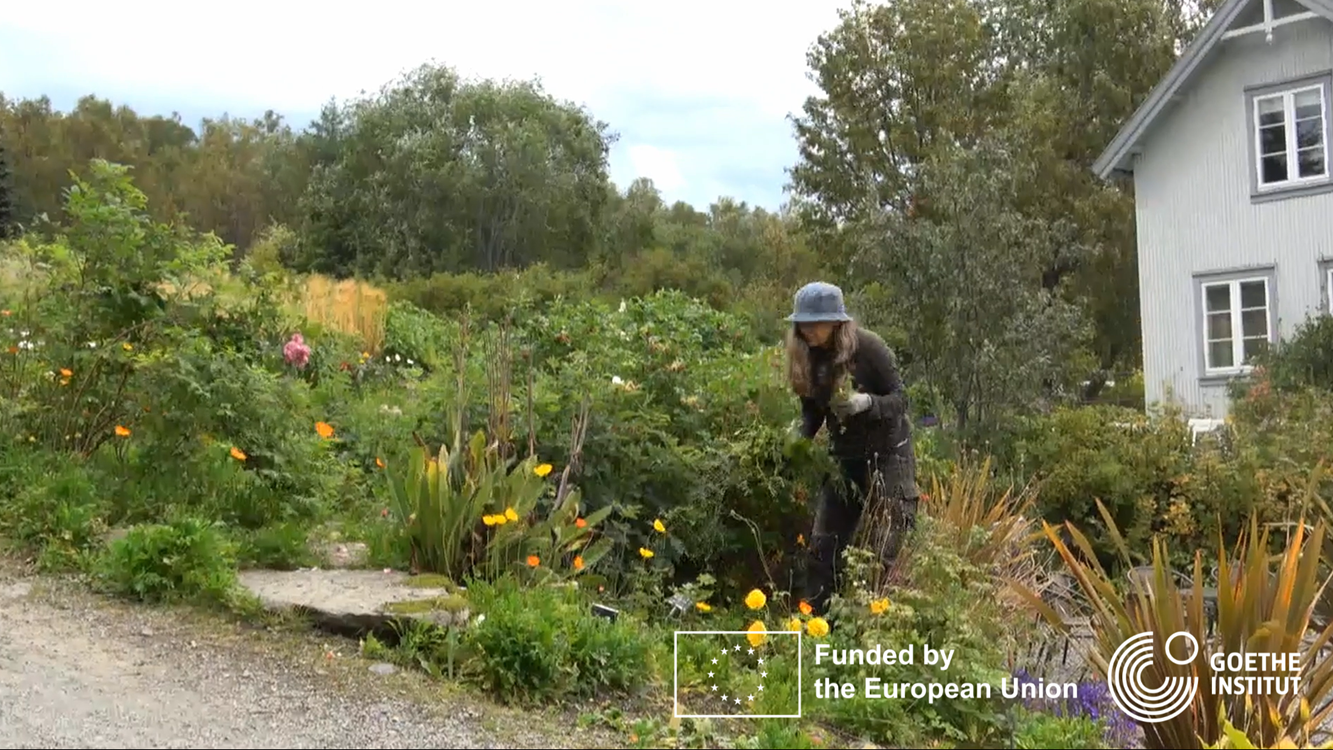
Particular attention is given to landscapes, fairytales, birds, and the ecological imagination preserved in traditional stories.
During my month of creative residence in Tromsø I have visited dozens of locations connected with folklore, mythology, and Arctic nature, but the Troll Museum has become the project's natural centrepiece.
More Than an AR Museum
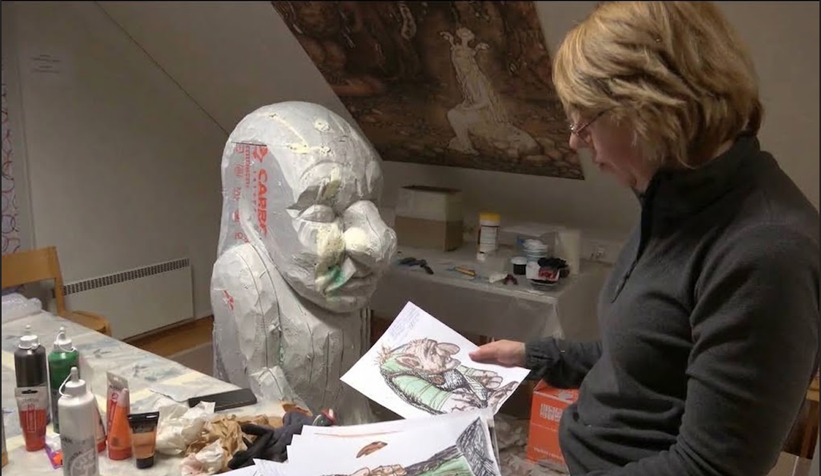
The Troll Museum is often described as the world's first museum dedicated entirely to trolls using augmented reality.
Visitors wander among life-sized trolls, animated giants, mythical creatures, interactive landscapes, and multimedia installations.
Tablets allow them to photograph themselves standing beside enormous forest trolls or battling giants without leaving the safety of the exhibition.
The museum also presents the Norse mythology through literature, music, illustration, sculpture, and digital storytelling.
One of my favourite moments was hearing music from Edvard Grieg's Peer Gynt, whose mountain trolls first introduced many international readers to Norwegian folklore.
Yet, technology makes the stories spectacular.
Reading makes them meaningful.
Why Reading Still Matters?
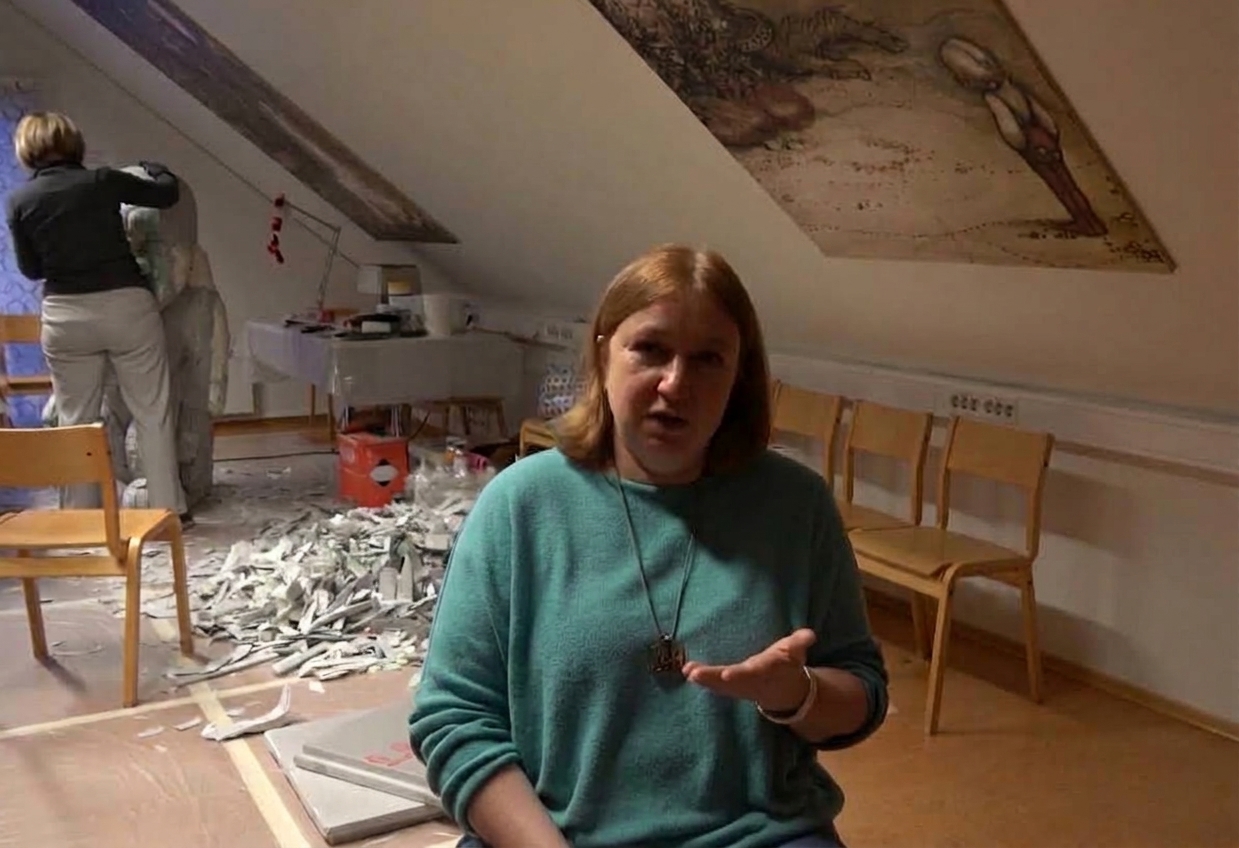
“We made this museum as a combination of art, storytelling and technology. But people should read, - says Katerina Trunova, co-founder of the Troll Museum. - I called it a slow-motion museum because it is important that guests go around and take their time for reading. We combined topics like a puzzle. The main task is that visitors go around and, like a puzzle pieces, collect all the information about the trolls”.
This is perhaps the museum's most unexpected educational message.
Despite being pioneers in digital interpretation, the founders insist that books remain the best gateway into Norwegian folklore.
Their library contains more than forty carefully selected titles in over ten languages. Visitors are encouraged to browse, compare editions, and continue their exploration long after the AR experience ends.
“Being able to share those stories, mythology, and the folklore is very important, - notes Marija Stancic, Projects Coordinator of the Troll Museum. - This tradition is dying away now. In the modern world we're so used to movies, and stories being told visually... Maybe some of us listen to podcasts. But I feel that reading is itself a dying art. And especially reading about the folklore, the traditions”.
One visitor perfectly captured the atmosphere:
"So great for getting out of the cold and just sitting and having something very Norwegian to do."
During my interview with the museum's founders ahead of its fifth anniversary, I asked the museum's staff a simple question:
If someone could read only one book before visiting the museum, which would it be?
Remarkably, every member of the team gave exactly the same answer...
The One Book Every Troll Enthusiast Should Read:
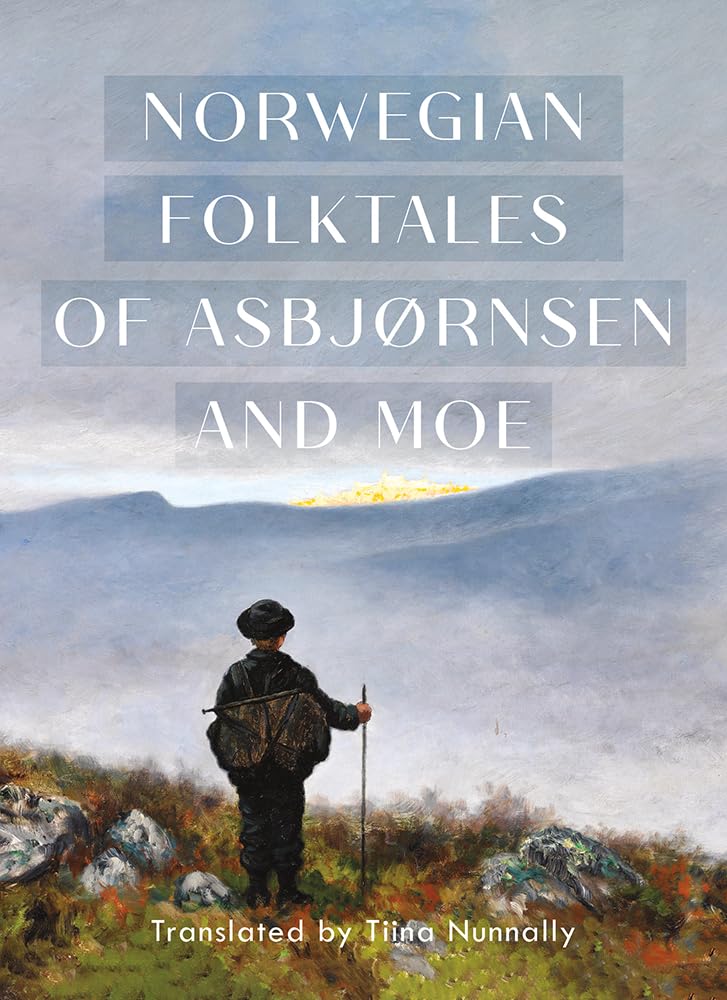
Norwegian Folktales by Peter Christen Asbjørnsen and Jørgen Moe
Published in the nineteenth century, Norwegian Folktales is often called Norway's equivalent of the Brothers Grimm.
Rather than inventing stories, folklorists Peter Christen Asbjørnsen and Jørgen Moe travelled across Norway collecting tales directly from farmers, hunters, fishermen, and mountain communities. Their work preserved a storytelling tradition that might otherwise have disappeared.
For visitors to the Troll Museum, this collection provides the richest introduction to the mythical beings encountered throughout the exhibition.
Readers discover that there is no single Norwegian troll.
Instead, they meet an astonishing variety of creatures—from towering mountain giants and cunning cave-dwellers to comically foolish trolls repeatedly defeated by Askeladden (the Ash Lad), Norway's unlikely folk hero.
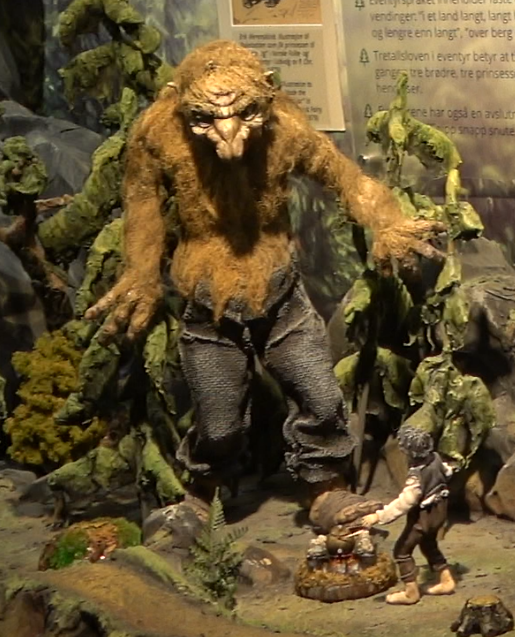
The collection also introduces some of Scandinavia's most fascinating supernatural beings, including Huldra, the beautiful forest woman with a hidden cow's tail; Nøkken, the mysterious water spirit said to lure travellers into lakes and rivers; and numerous beings inhabiting forests, waterfalls, mountains, and caves.
More importantly, these stories reveal how earlier generations understood the Norwegian landscape itself. Forests, rivers, cliffs, and valleys were not empty places but living environments shared with unseen beings deserving caution and respect.
The tales are therefore much more than fairy stories. They preserve centuries of ecological knowledge, cultural memory, humour, and imagination, offering perhaps the best introduction to Norway's relationship with nature.
Overall, The Troll Museum in Tromsø presents around twenty trolls and mythological beings, each accompanied by carefully researched stories rooted in folklore, literature, music, and art.
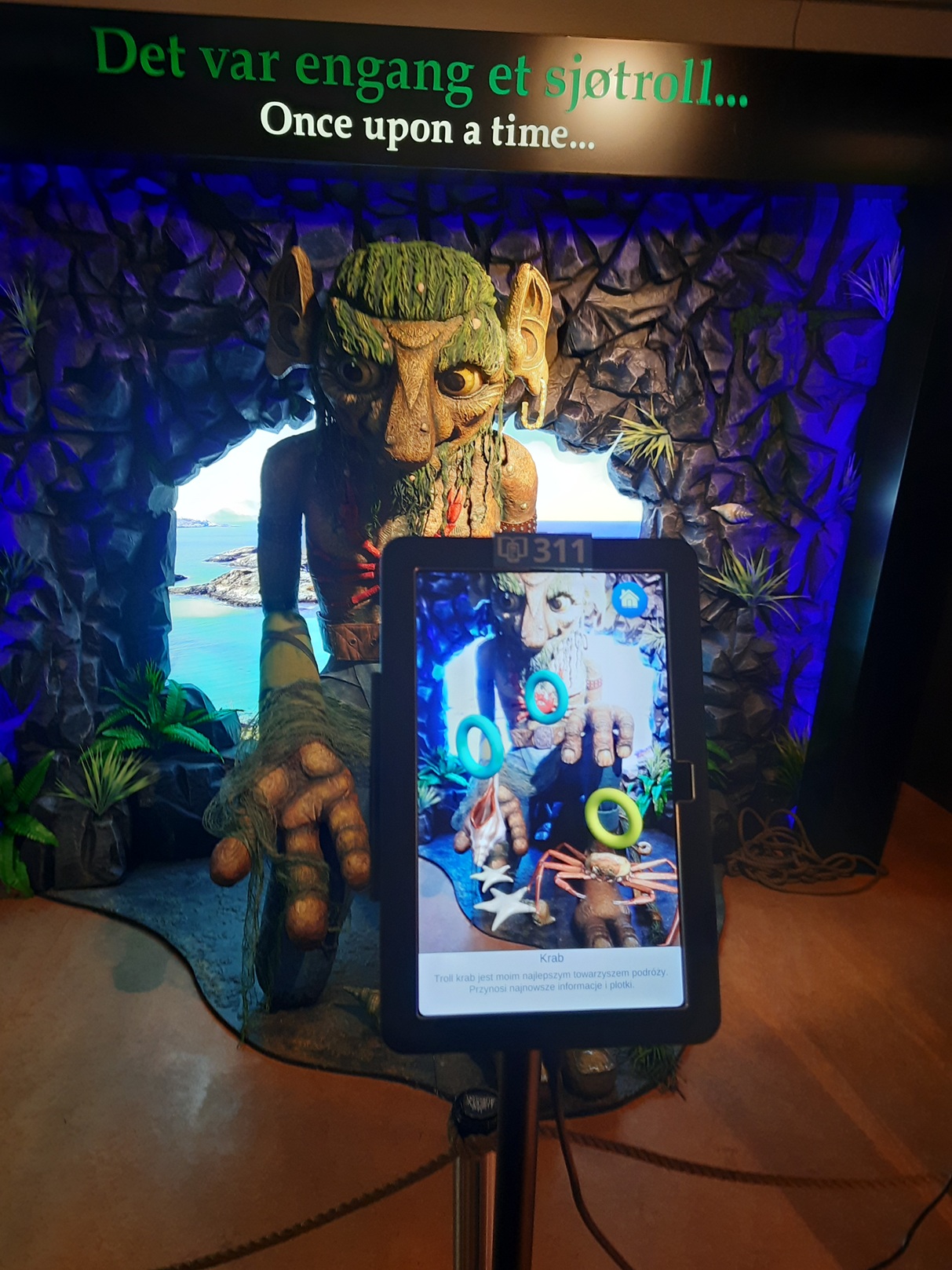
Based on my analysis of thousands of Google and Tripadvisor reviews, there are five characters visitors mention most often: the Sea Troll (Sjøtroll), The Troll Who Wonders How Old He Is, The Forest Troll, The Giant (Jötunn), and Huldra.
To learn more about the most popular Norwegian trolls, download the leaflet with my illustrations bellow.
Thinking of becoming a true troll expert? Continue your journey through Norwegian folklore by exploring the stories, legends, and resources available on the Troll's Museum Tromsø website!